The Art of the Knitted Rope Pattern: Mastering the Horizontal Border
In the vast world of textile design and digital illustration, few motifs carry as much timeless appeal as the knitted rope pattern. Whether you are a seasoned crafter looking to elevate your next sweater project or a graphic designer seeking the perfect decorative element for a website, understanding this specific aesthetic is invaluable. The knitted rope pattern, particularly when utilized as a horizontal border, serves as a structural anchor that adds texture, depth, and a sense of warmth to any composition. This guide explores the intricacies of this design, its practical applications in both physical knitting and digital formats like EPS, JPG, SVG, and transparent PNG, and why it remains a staple in modern creativity.
Understanding the Anatomy of a Knitted Rope Pattern
To truly appreciate the versatility of this design, one must first understand what constitutes a "knitted rope." In traditional textile arts, a rope stitch is created by manipulating yarn to form a raised, twisted cord that mimics the look of actual rope. It is achieved through specific sequences of knit and purl stitches, often involving slipped stitches or cable twists that create a three-dimensional effect on a flat surface.
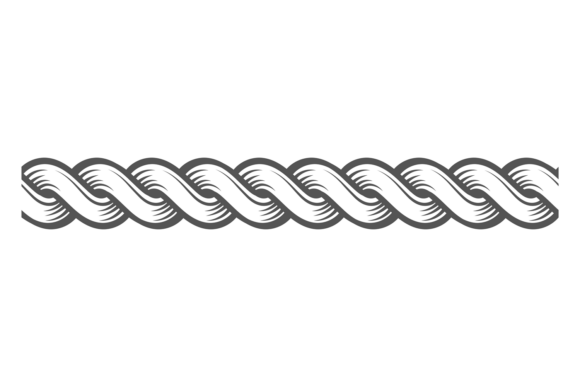
When translated into a horizontal border, this pattern transforms from a simple texture into a defining frame. It acts as a visual boundary, separating sections of fabric or design while adding a tactile quality that invites touch. The significance of this pattern lies in its ability to bridge the gap between rustic charm and sophisticated structure. Unlike a plain hem or a simple ribbing, the rope pattern suggests craftsmanship and attention to detail.
- Texture: The primary characteristic is the illusion of depth, making the border appear raised against the background.
- Directionality: As a horizontal element, it guides the eye across the page or garment, creating stability.
- Flexibility: It can be adapted for various thicknesses, from delicate lace-like ropes to bold, chunky cables.
From Yarn to Pixel: The Digital Evolution
While the origins of the knitted rope pattern are rooted in the loom and the needle, its modern relevance is heavily tied to digital media. Today, designers frequently require high-quality vector and raster versions of these patterns for branding, web design, and print media. This is where file formats such as EPS, JPG, SVG, and transparent PNG become critical.
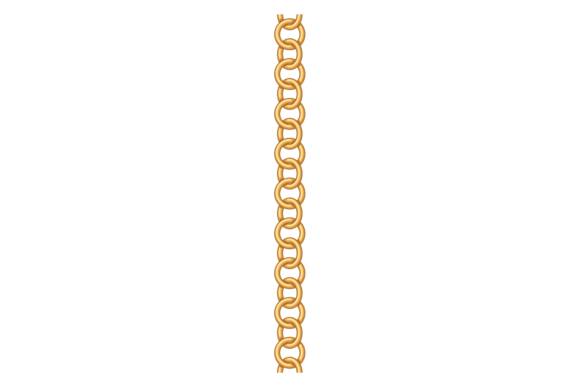
A decorative braid isolated on a white background offers a clean starting point for integration. However, the true power of digital assets lies in their adaptability. For instance, an SVG (Scalable Vector Graphics) file allows a designer to resize the knitted rope border infinitely without losing clarity, making it perfect for large banners or tiny icons. Conversely, a transparent PNG is essential for overlaying the pattern onto complex backgrounds, ensuring the white backdrop does not interfere with the underlying design.
Practical Applications in Modern Life and Business
The utility of the knitted rope pattern extends far beyond the craft room. In the business world, aesthetics play a crucial role in brand identity. A company selling organic products, cozy home goods, or artisanal foods might use a horizontal rope border to evoke feelings of comfort, reliability, and handmade quality. This subtle cue can influence consumer perception, suggesting that the product behind the logo is crafted with care.
Education and Skill Building
For students of design and textiles, mastering the knitted rope pattern is an excellent exercise in understanding geometry and repetition. Learning how to construct this pattern teaches the principles of symmetry and rhythm. In educational settings, instructors often use this motif to demonstrate how a simple sequence of actions can result in a complex, beautiful outcome. It serves as a foundational lesson in both manual dexterity and digital precision.
Creative Projects and DIY Culture
In the realm of daily activities and hobbies, the horizontal border is a favorite for DIY enthusiasts. Imagine a knitted scarf where the edges are framed by a thick, braided rope pattern; it instantly elevates a basic accessory into a statement piece. Similarly, in home decor, throw pillows featuring a digital print of a decorative braid can add a nautical or rustic vibe to a living space without requiring actual upholstery work.
The rise of maker culture has also popularized the use of these patterns in 3D printing and laser cutting. By converting a knitted rope SVG into a path for a CNC machine, creators can produce physical objects that mimic the softness of yarn using rigid materials like wood or acrylic. This cross-medium application highlights the enduring nature of the pattern's design language.
Navigating File Formats: A Guide for Designers
When sourcing or creating a knitted rope pattern for digital use, selecting the correct file format is paramount. Misunderstanding the capabilities of different formats can lead to pixelated images or layout errors. Here is a breakdown of how each format serves the purpose of a decorative braid:
- EPS (Encapsulated PostScript): Ideal for professional print production. If you are sending a design to a printer for a catalog or packaging, the EPS version ensures the highest fidelity and color accuracy.
- JPG (Joint Photographic Experts Group): Best for quick previews or social media posts where file size matters more than editability. However, note that JPGs do not support transparency, so the "isolated on white background" aspect is fixed.
- SVG (Scalable Vector Graphics): The gold standard for web design. An SVG knitted rope border can be manipulated with CSS, allowing for dynamic changes in color, stroke width, and animation directly within a browser.
- Transparent PNG: Essential for compositing. If you need to place the rope pattern over a photograph or a gradient background, the transparent PNG ensures no white box appears around the design.
Common Misunderstandings About Digital Textures
A common assumption among beginners is that a digital image of a knitted rope will automatically look "soft" and "warm" in any context. While the pattern itself carries these connotations, the execution matters. A low-resolution JPG used at a large scale can make the intricate details of the braid appear muddy, destroying the illusion of texture. Furthermore, users often overlook the importance of the background. A decorative braid isolated on a white background is versatile, but if placed on a light gray surface without proper blending modes, the white edge can create a distracting halo effect. Always opt for a transparent PNG or an SVG when possible to maintain control over the final presentation.
Integrating the Pattern into Your Workflow
Whether you are designing a wedding invitation, creating a website header, or planning a knitting project, the knitted rope pattern offers a unique opportunity to blend tradition with modernity. Its horizontal orientation makes it naturally suited for dividing content, framing text, or accentuating the edges of a garment.
For those working in technology, consider how this organic shape contrasts with sleek, minimalist interfaces. A subtle, thin rope border in a muted color can soften the rigid lines of a tech dashboard, making the user experience feel more approachable and human-centric. In education, teachers can use the pattern to illustrate concepts of fractals and repeating sequences, showing students how mathematics underpins art.
Final Thoughts on Versatility
The knitted rope pattern is more than just a decorative flourish; it is a symbol of connection and continuity. From the physical warmth of a hand-knitted sweater to the crisp lines of a digital SVG file, this motif bridges the gap between the tangible and the virtual. By understanding its structure, purpose, and the technical requirements of its various file formats, you can harness its full potential to enhance your creative projects.
As we move forward in a digital age, the appreciation for textures that remind us of the handmade world only grows stronger. The horizontal border, with its rhythmic, braided elegance, stands ready to frame our stories, define our brands, and decorate our lives with a touch of classic sophistication. Whether you are downloading a transparent PNG for a quick fix or learning to cast on for a new project, the knitted rope pattern remains a timeless tool in the creative arsenal.