Sew Lettering with Sewing Machine Spool: A Practical Guide to High-Quality Vector Art
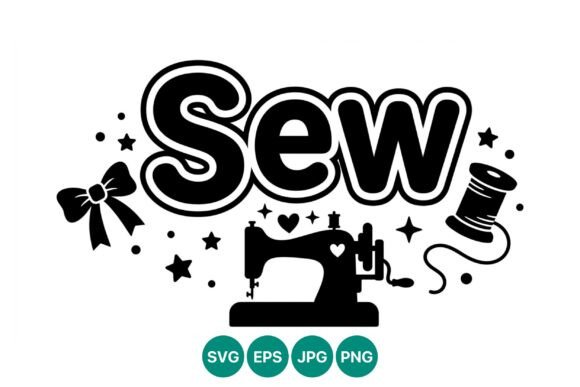
When you search for Sew Lettering with Sewing Machine Spool, you are likely looking for more than just a generic clip art image. You want a design that captures the essence of craftsmanship, blending vintage aesthetics with modern utility. The specific artwork featuring the word "sew" alongside a threaded spool, a decorative bow, and surrounding stars offers a high-contrast, black-and-white vector solution perfect for branding, apparel, and home decor. However, finding the right file is only half the battle; understanding how to evaluate, download, and apply these assets correctly determines whether your final project looks professional or amateurish.
Many creators rush into downloading digital assets without considering the technical specifications required for their specific medium. This oversight often leads to pixelated logos on t-shirts, blurry prints on business cards, or designs that cannot be resized without losing definition. By taking a moment to understand what makes this particular Sew Lettering with Sewing Machine Spool design effective, you can avoid common pitfalls and ensure your creative vision is executed with precision.
Understanding the Value of True Vector Graphics
The primary reason professionals gravitate toward this specific design is its format. Unlike standard raster images (JPGs or PNGs) which are made of pixels, the core of this package is built on SVG and EPS files. These are vector formats, meaning the artwork is defined by mathematical equations rather than a fixed grid of dots. This distinction is critical for anyone planning to scale the design.
A common mistake beginners make is assuming that a high-resolution JPG is sufficient for all applications. While a large JPG might look fine on a screen or a small flyer, it will inevitably degrade when enlarged for a banner, a tote bag, or an embroidery hoop. When you choose Sew Lettering with Sewing Machine Spool in a vector format, you gain the ability to resize the image from a tiny favicon to a billboard-sized print while maintaining razor-sharp edges. The intricate details of the vintage sewing machine, the texture of the thread on the spool, and the delicate lines of the decorative bow remain crisp regardless of the output size.
Common Pitfalls in Choosing Digital Art Assets
Even with a clear need for vector art, several misunderstandings can derail a project. One frequent error is ignoring the color mode. This specific design is described as black and white, which is excellent for versatility, but some users attempt to force complex gradients onto it without adjusting the layer structure first. If the artwork is flattened into a single-layer bitmap before coloring, you lose the ability to change individual elements, such as making the bow red while keeping the text black.
Another overlooked detail is the file organization within the download. Many packages arrive as a messy collection of folders. A well-structured ZIP folder should clearly separate the SVG, PNG, JPG, and EPS versions. If you do not verify the contents immediately upon download, you might spend hours trying to convert a low-res preview image instead of using the master vector file. Always check that the EPS file is present if you plan to use professional software like Adobe Illustrator or CorelDRAW, as this ensures compatibility with industry-standard workflows.
How File Choice Affects Your Final Product
The decision to use the wrong file type has tangible consequences on quality and cost. For example, if a small business owner uses a pixelated version of the Sew Lettering with Sewing Machine Spool design for a batch of custom t-shirts, the result may appear fuzzy under close inspection. This lack of clarity can damage brand perception, making the business look unprofessional. In contrast, utilizing the provided vector files ensures that the high-contrast lines of the stars and dots render perfectly, even on textured fabrics.
Furthermore, efficiency is often sacrificed when designers work with non-vector assets. Correcting a design flaw in a bitmap image requires complex photo editing techniques, whereas in a vector file, you can simply select a path and adjust the curve. This saves time during the production phase, allowing you to focus on creativity rather than technical troubleshooting.
Practical Steps for Evaluating and Using the Design
To get the most out of this asset, start by unzipping the folder and inspecting the files individually. Open the SVG file in a browser or a free vector viewer to confirm that the layers are intact. You should see distinct elements: the typography, the sewing machine silhouette, the spool, and the decorative accents. If everything appears as a single flat image, the vector data may have been compromised, and you should contact the provider.
Before applying the design to a physical product, consider the context. The vintage style of the sewing machine and the classic font work exceptionally well for embroidery projects. The high-contrast nature of the black and white art translates beautifully into stitch patterns, where solid areas fill easily and thin lines define the details. However, if you are using this for screen printing, ensure that the line weights are thick enough to hold ink without bleeding. The stars and dots surrounding the main subject add visual interest but should be spaced appropriately to prevent merging during the printing process.
Strategies for Customization
While the original design is striking on its own, its true value lies in its adaptability. Because the artwork is 100% vector, you can modify the colors to match your brand palette. For instance, you might keep the sewing machine in a deep charcoal gray but highlight the thread spool in a vibrant teal to create a focal point. Alternatively, you could isolate just the word "sew" for a minimalist logo application, saving the full composition for larger marketing materials.
Remember that the decorative bow and stars are there to frame the central message, not to overwhelm it. When integrating this into a layout, give the design enough negative space to breathe. Crowding the vintage elements with other graphics can diminish the nostalgic charm that makes this piece unique. By respecting the balance of the original composition, you maintain the integrity of the artwork while tailoring it to your specific needs.
Final Considerations Before Downloading
Before committing to any purchase or download, verify the licensing terms. Ensure that the usage rights align with your intended purpose, whether it is for personal hobby projects, commercial merchandise, or client work. A clear license protects you from legal issues and gives you peace of mind as you scale your creative endeavors.
Additionally, check the system requirements for the included files. While SVG and PNG are universally compatible, EPS files require specific software to edit. If you are working primarily on mobile devices or limited hardware, prioritize the SVG and high-resolution PNG options included in the ZIP folder. These formats offer a robust middle ground between editability and accessibility.
Ultimately, selecting Sew Lettering with Sewing Machine Spool is about choosing quality over convenience. By avoiding the trap of settling for low-resolution images and taking the time to properly utilize the vector capabilities of the file, you ensure that your projects stand out. Whether you are a freelancer creating a portfolio piece or a small business owner launching a new product line, the sharpness and versatility of this high-contrast vector art provide a solid foundation for success. Take the extra step to verify your files, respect the design's structure, and let the vintage charm of the sewing machine and spool elevate your work.