Rotterdam Bridge Lettering Vector: A Practical Asset for Creative Workflows
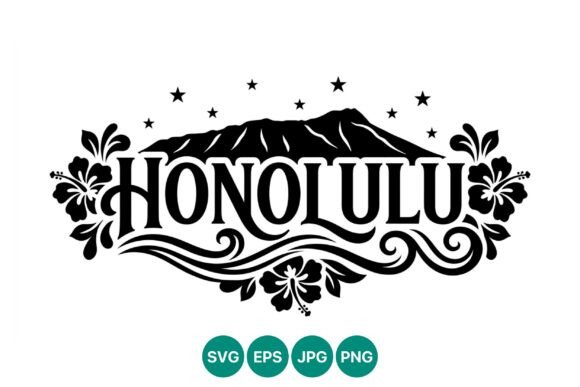
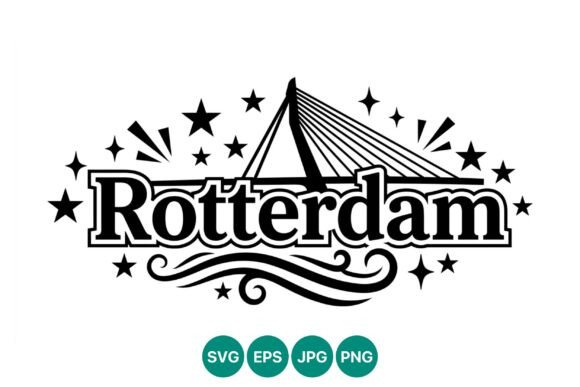
In the realm of digital design and branding, the efficiency of a project often hinges on the quality and versatility of the foundational assets used. The Rotterdam Bridge Lettering Vector is more than just a graphic file; it is a strategic tool that streamlines the creation process for professionals working in marketing, event planning, merchandise design, and urban-themed branding. This specific asset combines the iconic silhouette of the Erasmus Bridge with stylized typography, decorative stars, and swirls, all rendered in a high-contrast black and white format. For creators who value precision and scalability, understanding how to integrate this vector art into a broader workflow can significantly reduce production time while elevating the visual impact of final deliverables.
The Strategic Value of High-Quality Vector Assets
Before diving into specific applications, it is essential to understand why the format matters. In professional workflows, the distinction between raster images (like standard JPGs) and vector graphics (SVG, EPS) defines the flexibility of the entire project. The Rotterdam Bridge Lettering Vector is provided as a 100% vector file, meaning the artwork is mathematically defined rather than pixel-based. This technical characteristic ensures that the image remains sharp at any size, from a small social media icon to a massive billboard or a detailed t-shirt print.
When a designer begins a project involving city branding or travel themes, the choice of asset dictates the subsequent steps. Using a low-resolution raster image often leads to a bottleneck during the scaling phase, requiring rework or resulting in pixelation. By contrast, starting with a robust vector file like the one featuring the Erasmus Bridge allows for immediate implementation across various mediums without quality degradation. This eliminates the need for upscaling tools or manual redrawing, saving hours of labor and ensuring consistency across all touchpoints of a campaign.
Integrating the Asset into Pre-Production Planning
The utility of the Rotterdam Bridge Lettering Vector extends beyond the moment of execution; it plays a crucial role in the planning and conceptualization phases of a project. When brainstorming brand identities for tourism boards, local festivals, or cultural events, having access to a pre-designed, high-quality silhouette allows teams to visualize concepts rapidly. Instead of commissioning a custom illustration from scratch, which involves briefings, drafts, and revisions, a team can utilize this existing asset to mock up logos, posters, and stationery immediately.
During the preparation stage, designers should consider how the black and white aesthetic of the artwork fits into their color palette strategy. Because the base design relies on high contrast, it serves as an excellent neutral foundation. It can be easily recolored to match corporate guidelines or seasonal themes without losing structural integrity. This adaptability makes it a versatile component in the early stages of decision-making, allowing stakeholders to approve visual directions quickly before moving to full-color production.
Workflow Integration for Merchandise and Apparel
For entrepreneurs and small business owners focusing on apparel or promotional products, the Rotterdam Bridge Lettering Vector offers a direct path to market. The inclusion of SVG and EPS files in the download package ensures compatibility with industry-standard cutting machines and printing software. Whether the goal is to produce vinyl decals for vehicles, screen prints for t-shirts, or laser-engraved patterns for wood, the vector format guarantees clean edges and precise cuts.
Consider a workflow where a local souvenir shop wants to launch a new line of Rotterdam-themed merchandise. The process typically involves selecting a design, preparing the file for the printer, and testing the output. With this specific vector art, the file preparation step is minimized. The high-contrast nature of the black and white design translates exceptionally well to single-color screen printing, reducing ink costs and simplifying the production schedule. Furthermore, the decorative stars and swirls add a level of detail that elevates the product from a generic souvenir to a piece of curated art, enhancing perceived value for the consumer.
Technical Implementation and File Management
Efficiency in creative work also depends on how well assets are organized and managed within a digital environment. The download includes a ZIP folder containing multiple formats: SVG, PNG, JPG, and EPS. Each of these files serves a distinct purpose in the production pipeline, and understanding their roles prevents workflow friction.
- SVG (Scalable Vector Graphics): Ideal for web use, responsive design, and modern editing software like Adobe Illustrator or Inkscape. This format preserves editability and scales infinitely.
- EPS (Encapsulated PostScript): The industry standard for print production. Use this when sending files to commercial printers or large-format sign makers to ensure maximum fidelity.
- PNG (Portable Network Graphics): Best for digital presentations, social media posts, or email signatures where transparency is required but vector editing is not necessary.
- JPG (Joint Photographic Experts Group): Useful for quick previews, client proofs, or embedding in documents where file size is a concern.
A practical tip for maintaining long-term efficiency is to create a dedicated folder structure for such assets. Labeling the directory clearly as "Rotterdam Branding Assets" and sub-categorizing by file type ensures that any team member can locate the correct version instantly. This organizational discipline reduces search time and prevents the common error of using a compressed JPG for a job that requires a vector EPS, which could lead to costly reprints.
Enhancing Marketing Campaigns and Digital Content
In the context of digital marketing, the Rotterdam Bridge Lettering Vector serves as a powerful anchor for content strategies. Marketers often struggle to maintain visual consistency across blogs, newsletters, and social media channels. This vector art provides a cohesive visual element that can be adapted for headers, watermarks, or background patterns. The silhouette of the Erasmus Bridge acts as an instant geographical identifier, grounding the content in a specific location and building trust with an audience interested in Dutch culture or travel.
Content creators can leverage the decorative elements—the stars and swirls—to create dynamic compositions. For instance, a blogger writing about European architecture can use the vector as a featured image overlay, while a podcast host might use it as a cover art motif. The ability to manipulate the vector in software like Adobe Photoshop or Canva means that the same core asset can generate dozens of unique variations. This scalability supports a high-volume content calendar without sacrificing design quality.
Collaboration and Client Presentations
Freelancers and agencies often face the challenge of communicating design intent to clients who may not be visually literate. Providing a tangible, high-quality mockup is key to securing approval. The Rotterdam Bridge Lettering Vector facilitates this by offering a polished look right out of the box. When presenting a proposal for a city festival or a real estate development project, incorporating this vector into mood boards demonstrates professionalism and attention to detail.
Furthermore, because the file is editable, collaborators can make on-the-fly adjustments during meetings. If a client requests a change in the spacing of the text or the size of the bridge silhouette, the vector format allows the designer to implement these changes instantly. This agility fosters a smoother collaborative environment, reducing the number of revision cycles and accelerating the timeline from concept to launch.
Long-Term Usability and Quality Control
Investing in high-quality vector assets is a decision with long-term implications. Unlike trend-driven clip art that may look dated in a few years, the classic black and white style of the Rotterdam Bridge Lettering Vector possesses a timeless quality. The simplicity of the silhouette and the elegance of the typography ensure that the design remains relevant across changing design trends. This longevity makes it a cost-effective resource for brands looking to establish a consistent identity over several years.
Quality control is another critical factor. When managing multiple projects, maintaining a standard of excellence is paramount. Using a professionally crafted vector file eliminates the risk of jagged edges, blurry lines, or color mismatches that often plague lower-quality stock images. By adhering to a standard of using only vector-grade assets for primary branding elements, organizations can ensure that every output, regardless of size or medium, reflects a commitment to quality.
Conclusion: Streamlining the Creative Process
The Rotterdam Bridge Lettering Vector represents a convergence of artistic design and practical utility. It is not merely a picture of a bridge; it is a functional component of a larger creative ecosystem. From the initial planning stages where it aids in rapid prototyping, through the technical execution where its vector nature ensures flawless reproduction, to the final delivery where it enhances brand perception, this asset supports every phase of the workflow.
For professionals aged 20 to 50, whether they are running a small business, managing a marketing department, or pursuing freelance design work, the ability to access and utilize such versatile resources is a competitive advantage. By integrating this high-contrast, scalable artwork into their toolkit, creators can focus less on the mechanics of image production and more on the strategic goals of their projects. The result is a more efficient process, higher quality outcomes, and a stronger visual connection with the intended audience.